Good to know
- How to get there
- 45 min from Palma
- Parking Cost
- 7€ -10€
- Accommodation
- Ses Covetes / Colonia Sant Jordi
- Health
- Don't forget sun protection
Here, the sensory landscape unfolds differently, not through the constant drone of engines and horns, but rather through the salt-tinged breeze that carries the Mediterranean's influence and the warm, honey-colored glow of sun-baked marès, that distinctive golden sandstone that has anchored both the region's geology and its centuries-old architecture.
This is fundamentally a place where human endeavor the quarrying, building, and cultivation that have sustained communities for generations and natural preservation coexist in a fragile, time-honored balance, a quiet tension between progress and permanence that defines the character of the land itself.
It's the kind of equilibrium that took centuries to achieve, and it remains vulnerable to the pressures of modern change.
Local Vibe Summary
The South is a great example of Mediterranean sobriety. It is a mosaic of crystalline waters, ancient salt pans, and quiet stone towns that invite a more reflective, sustainable interaction with the land from the fast speed of current travel. Three basic pillars—the artisan salt flats, the protected aeolian dune systems, and the traditional agrarian life of the village support this real environment. Moving from the interior lowlands to the coast is seeing how the physical surroundings controls every feature of local life.
Es Trenc is not merely a beach
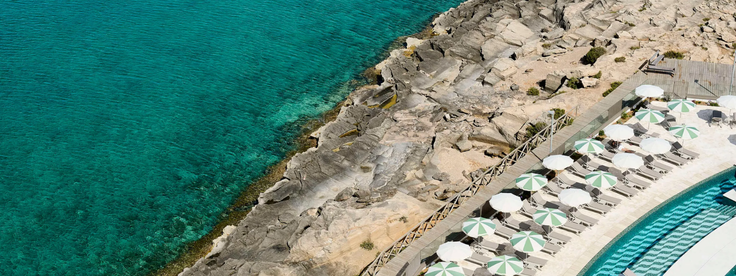
It is a protected natural treasure and a rare surviving example of a pristine Mediterranean coastal ecosystem. Stretching for three kilometers, this area is defined by its shallow turquoise waters and a complex aeolian (wind-driven) dune system. The absence of high-rise developments is a deliberate act of conservation, allowing the landscape to retain its geomorphological integrity.
Nature Spotlight
To the untrained observer, the seaweed deposits sometimes found on the shore may appear repulsive; to a geographer, they are absolutely vital. Posidonia oceanica, a seagrass essential for the health of the Mediterranean, these are its remains. The area preserves these natural obstacles by keeping the coastline "unmaintured" and skipping mechanical raking. They have two uses: they keep the sand from disappearing in the winter storms, and they give the local birds a place to live that is full of nutrients, so helping to preserve the dunes.
Understanding the Salinas d’Es Trenc
The Salinas d'Es Trenc are a masterclass in local ecology, as the flat terrain of the south plain is exploited for handmade manufacture. This is a seasonal, weather-dependent process relying on the ideal convergence of sun, minimal humidity, and wind. Flor de Sal, the exquisite, superior crystals that develop on the surface of the sea only under certain atmospheric circumstances, defines the height of this crop.
Stages of Salt Harvesting
Observation: Constant salinity and weather pattern observation to pinpoint the exact moment of crystallization. Hand harvesting uses traditional long-handled rakes, or llevadors, to gently gather the salt and keep the crystals from breaking or sinking. A trip to the onsite store offers information on the last treatment and the significance of the salt for the local economy. The salt ponds become enormous mirrors for the sky during the "golden hour," therefore producing a spectacular visual phenomenon. The same flat topography that helps salt evaporation also helps air to move freely towards the maritime center of Sa Ràpita.
The Rhythm of Campos
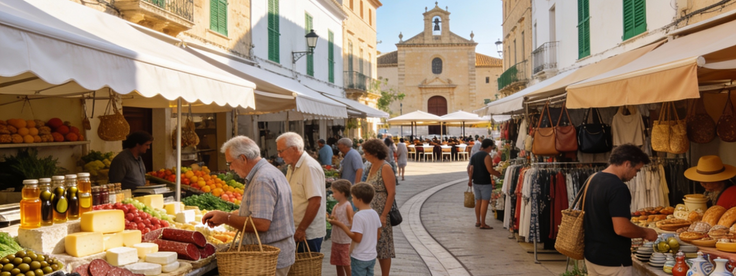
Campos is a "working town" whose agricultural riches, not visitor ease, define its character. Marès sandstone—a porous material with thermal qualities that helps to keep classic buildings' interiors cool—helps to define the look of the community. The weekly markets are the essential organs of the community where the diversity of the area is fully shown, not just sights of interest. Beyond the mainstays, the market emphasizes the "agricultural wealth" of the South, including the well-known ramallet tomatoes—a regional kind linked in ropes and strung to dry to keep their flavor for months. Frito Mallorquí, a spicy meat and vegetable stir-fry, and Tumbet, a layered vegetable masterwork, are among classic meals you will find. Important market discoveries consist on:
- Honey: Sourced from the diverse flora of the southern scrublands.
- Sobrassada: The iconic cured, spreadable pork sausage seasoned with local paprika.
- Island Cheeses: Artisanal varieties reflecting the region’s pastoral history.
- Ensaimadas: The legendary spiral pastries, a hallmark of Mallorcan baking.
The Cultural Calendar
The community spirit of Campos is most visible during its traditional festivals, which reflect a profound bond between the citizenry and their environment. Festes de la Mare de Déu del Carme (Mid-July) This maritime celebration in Sa Ràpita honors the patron saint of sailors. The highlight is the maritime procession, where a flotilla of local boats, adorned with flowers and banners, escorts the statue of the Virgin Mary across the turquoise waters—a moving display of living history.
Correfocs (Fire Runs) For a display of cultural intensity, the Correfocs are unmatched. Local participants, known as devils, dance through the streets amidst a cacophony of drumming and sparks. It is a visceral experience that represents the "fire" of the Mallorcan soul.
Visitor Insight Participation in a local verbena (street party) offers an authentic look at the town’s social fabric. These are not staged performances but genuine communal gatherings that reinforce the region’s connection to its maritime and religious roots. Dates for these events can shift annually based on the lunar or liturgical calendar, necessitating a verified approach to scheduling.
Looking beyond the surface of the turquoise water helps a tourist to value the complex layers of the South. This area has a great link to the ground and sea from the hand-harvested salt to the thermal dynamics of the Embat and the fire-lit village correfocs. Knowing these natural and cultural cycles helps the visitor to go from being just a viewer to being actively involved in the surroundings. The finest luxury in South Mallorca is the chance to embrace the "slow food" and "slow travel" approach of an island still rooted in its history.